


The heycarson Blog
Practical Shopify guides from the heycarson team · 152 articles
How-to
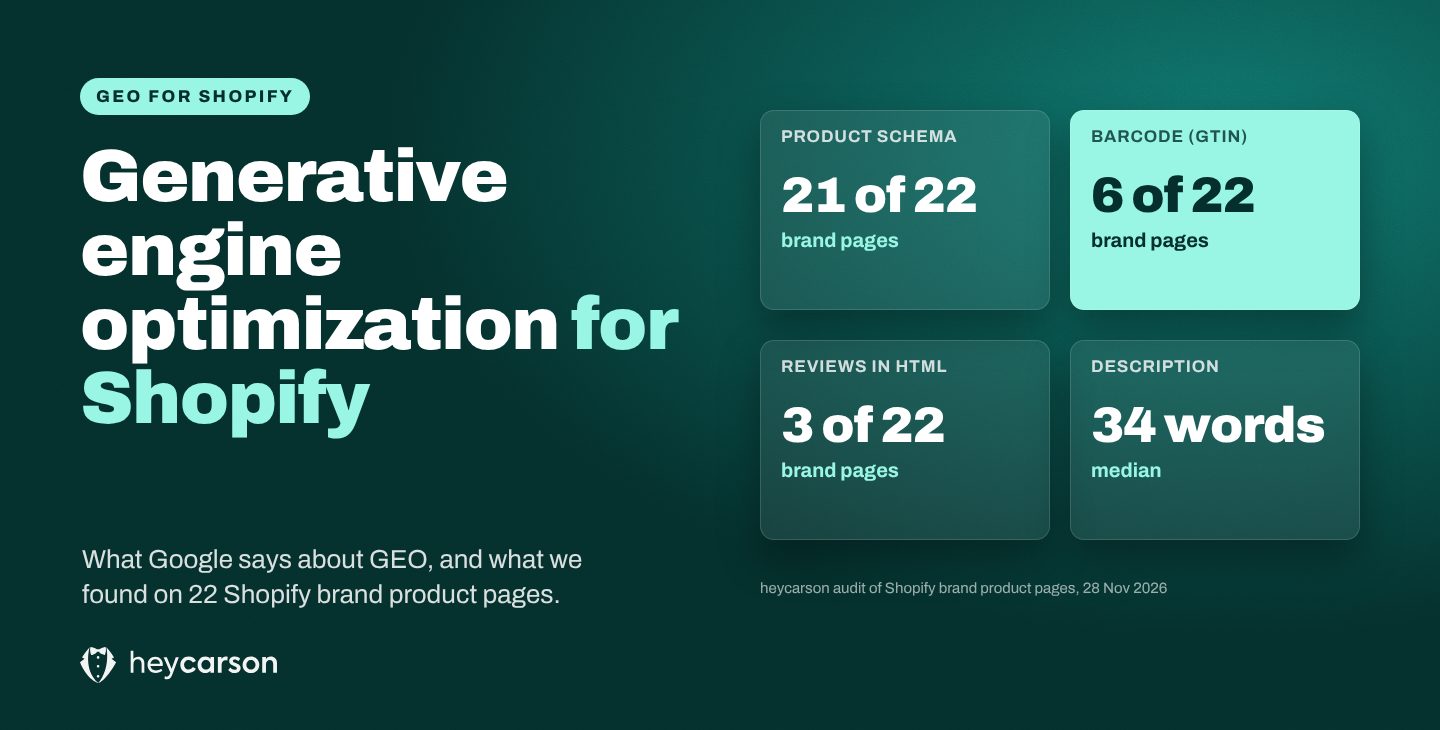
Generative engine optimization for Shopify: a GEO guide with data from 22 brands
What generative engine optimization (GEO) means for Shopify brands, what Google actually says about it, and what we found on 22 well-known Shopify product pages: most miss barcodes, reviews in the HTML and descriptions long enough to answer a buyer's question.
Read the articleLatest
How-to
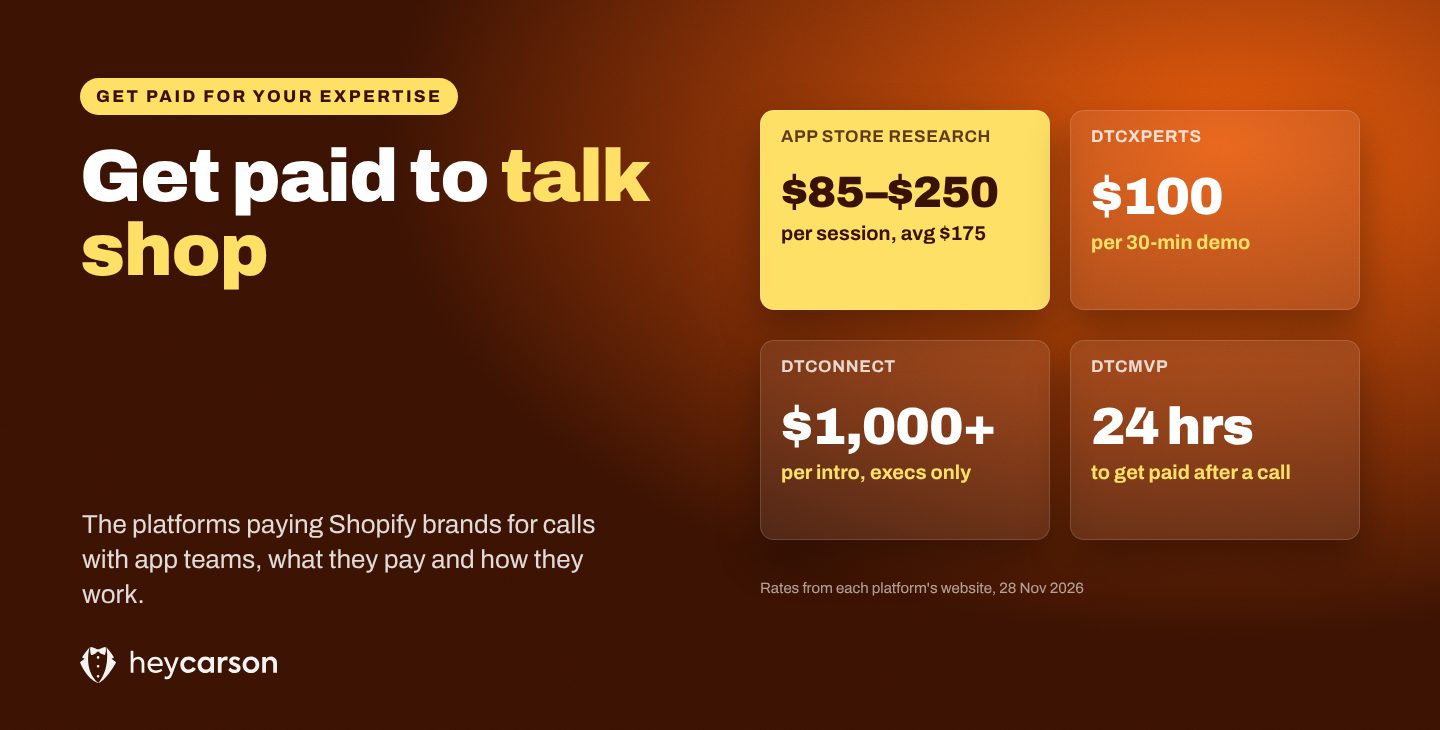
Get paid to talk shop: the best platforms paying Shopify brands $100 to $1,000 per call with app teams
How-to
Shopify Plus pricing in 2026: what it really costs, and when it pays off
How-to
Claude for Shopify: the complete guide to running your store with Claude
Success Stories
The biggest Shopify brand exits and acquisitions of 2026
Most read
How-to
See all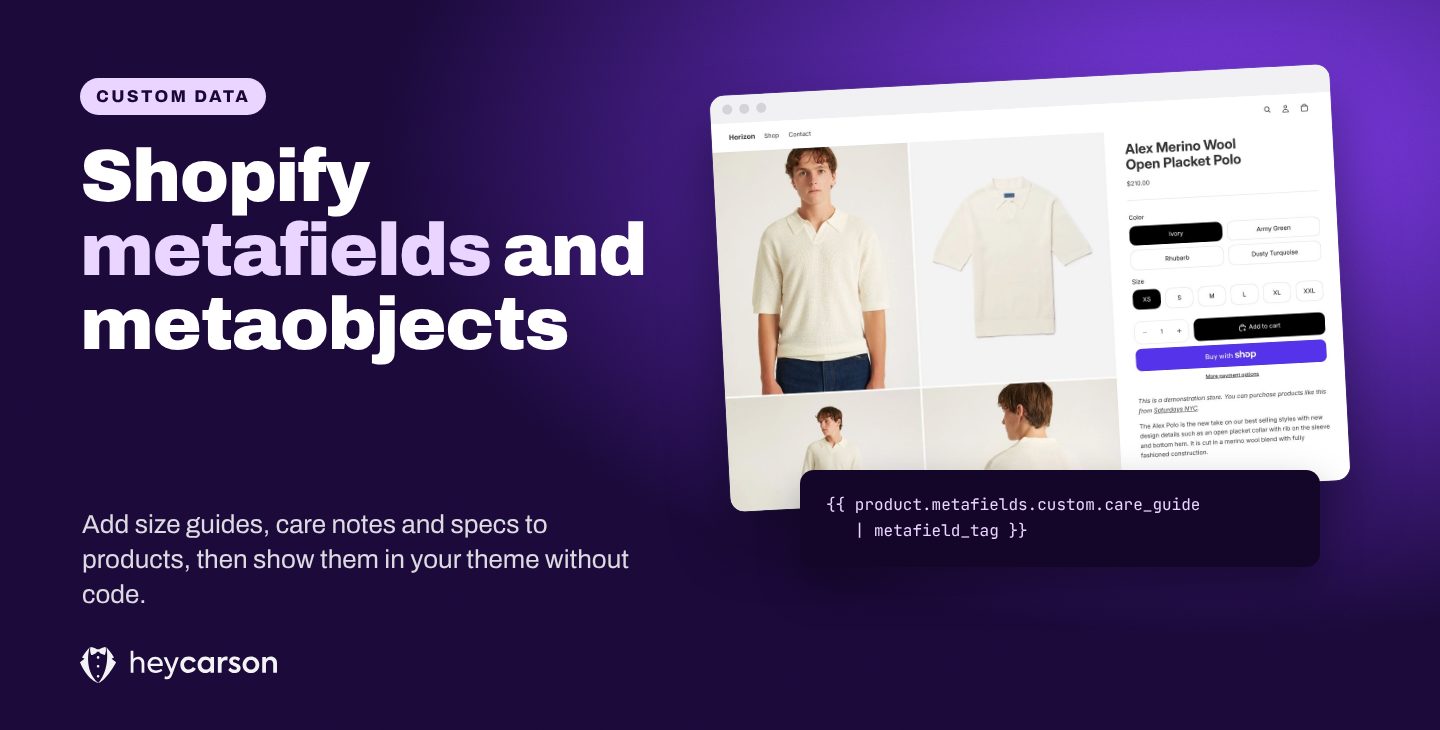
Shopify metafields and metaobjects: what they are, when to use each, and how to set them up
Shopify metafields add your own fields, like fabric or supplier, to products, customers and orders; metaobjects hold reusable groups of fields. How to plan, add, show and audit them, and why they now feed Analytics, Sidekick and filters.
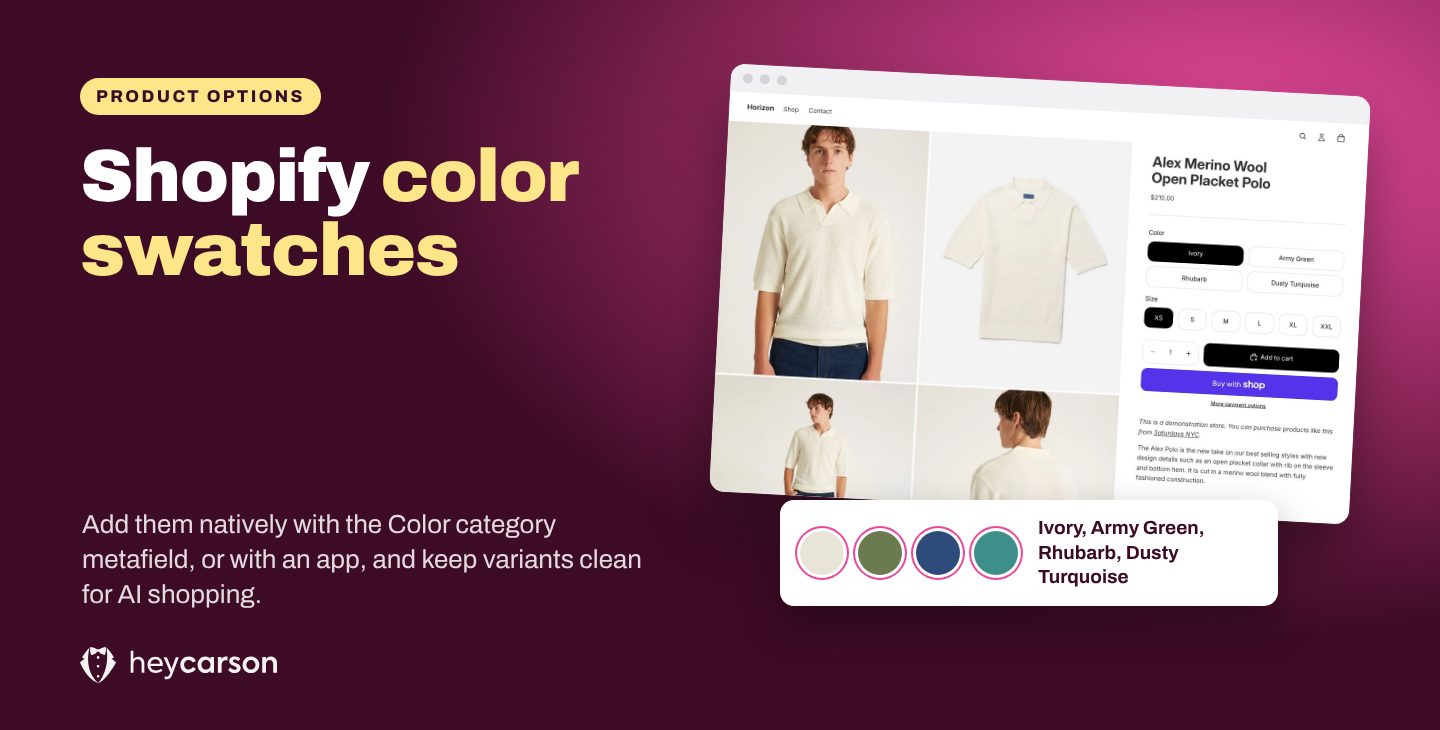
Shopify color swatches: how to add them without an app, and when you still need one
Shopify color swatches are built in: link a color option to a category metafield and Dawn, Horizon and other current themes show swatches. How to set them up, which themes show them, when an app still helps, and why agents now read them.

Claude skills for Shopify stores: 3 free skills that audit your SEO, content and accessibility
Three free Claude skills for Shopify stores: an SEO and AI visibility audit, a product and blog content check, and a theme accessibility test. What each checks and how to install it.
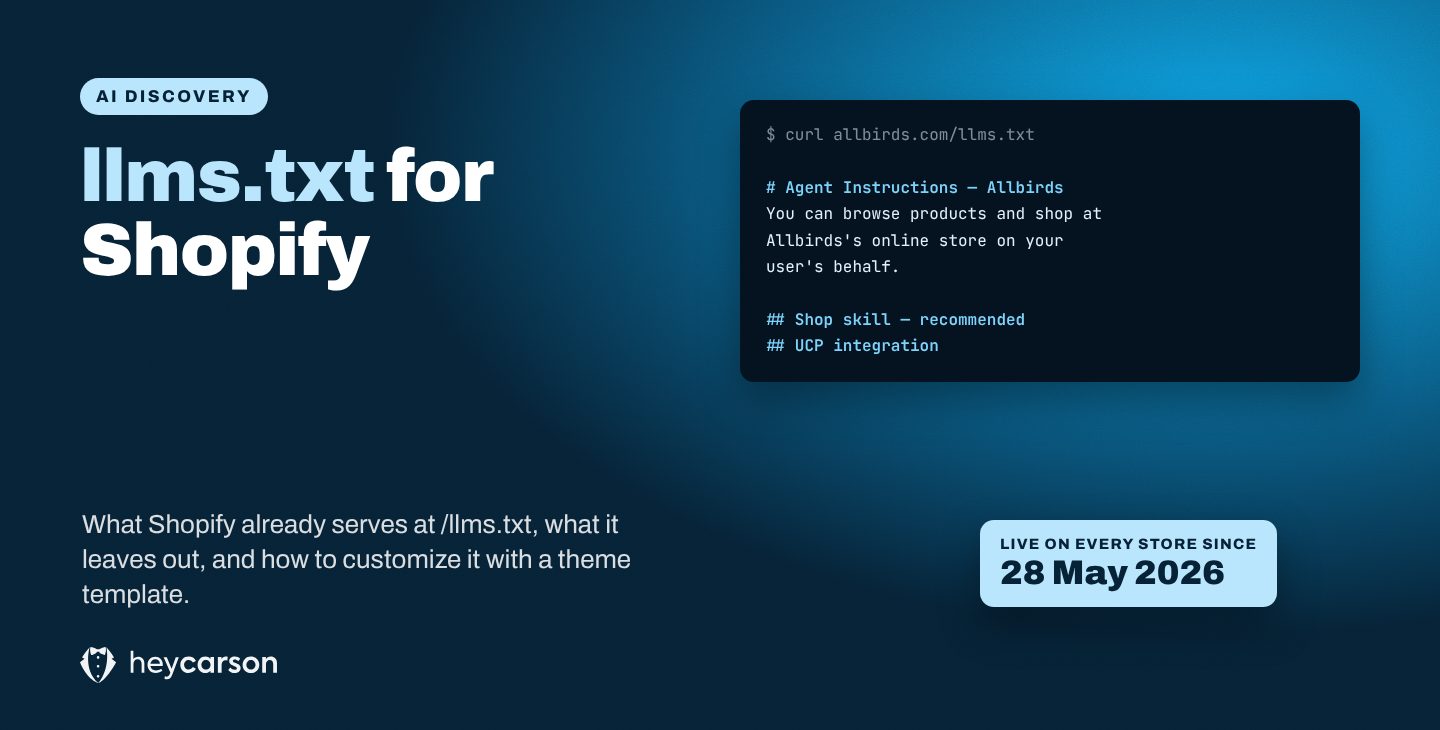
llms.txt for Shopify: what it is, what Shopify already serves, and how to customize it
What llms.txt is, what it can and can't do for a Shopify store, the file Shopify now serves for you, and how to replace it with your own using a theme template.
Marketing
See all
Does Shopify give you an email?
Shopify doesn't host email inboxes, but it can forward mail on a Shopify-managed domain and send store emails from your own address. Here's how forwarding, sender email, Shopify Messaging and email hosting fit together.

Do you need a business license to sell on Shopify?
Shopify doesn't ask for a business license to open a store, but your state, city or product may. What Shopify actually asks for, when you need a seller's permit, and how to check your own requirements.

How to Grow Your eCommerce Business Using Social Media
Social media has become a goldmine for eCommerce businesses today. If you’re not using social media to grow your Shopify store or your local brand, you’re missing out on engaging with 3.78 billion monthly social media users.

5 Sales email template examples to take your online business to the next level
With e-commerce businesses rising through the pandemic, brands ensure that their products or services could be purchased online. Most organizations…
Shopify themes
See all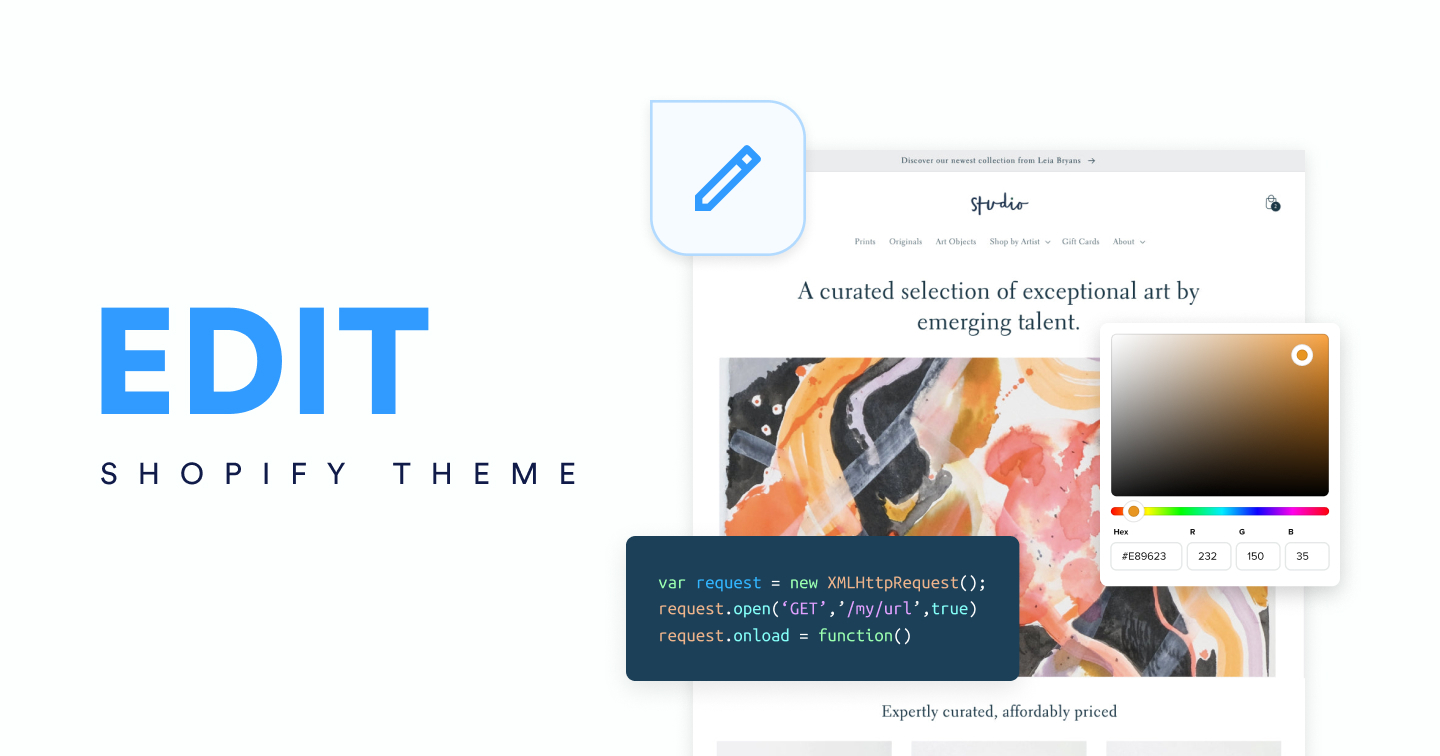
Shopify theme editor: how to edit and customize your Shopify theme (step-by-step)
The Shopify theme editor is where you customize your theme without code: sections, blocks, theme settings and app embeds. Here's how to use it, how to change themes safely, and when to edit code instead.

The best Shopify theme for mobile for business growth in 2023
A few years ago, having a mobile-friendly Shopify theme felt like a cool, add-on feature. A perk. But in recent…

How to upload a Shopify theme (full guide)
How to upload or import a theme to Shopify: the ZIP upload steps on desktop and mobile, the 50 MB limit, theme limits by plan, and when to use the Theme Store, GitHub or Shopify CLI instead.
How to update your Shopify theme (without losing anything)
Shopify's built-in theme update copies your theme editor customizations into the new version and tries to carry over code edits. Here's how to run it safely, and what to do when it can't.
More articles
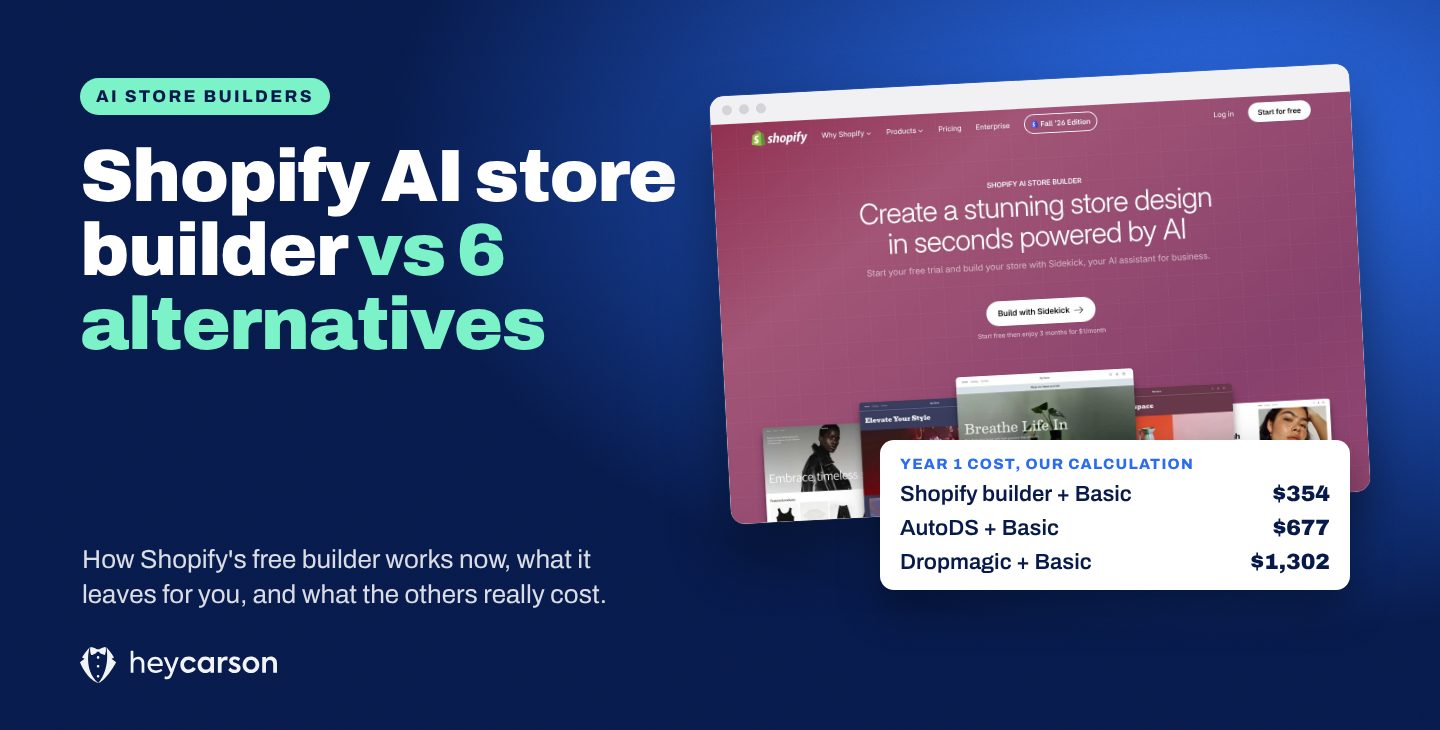
Shopify AI store builder: how it works, what it can't do, and 6 alternatives compared
Shopify's free AI store builder generates up to three themes from a description. How to use it now that it's mobile only, what it leaves for you to set up, and how six third-party AI store builders compare on what they build and what they cost.
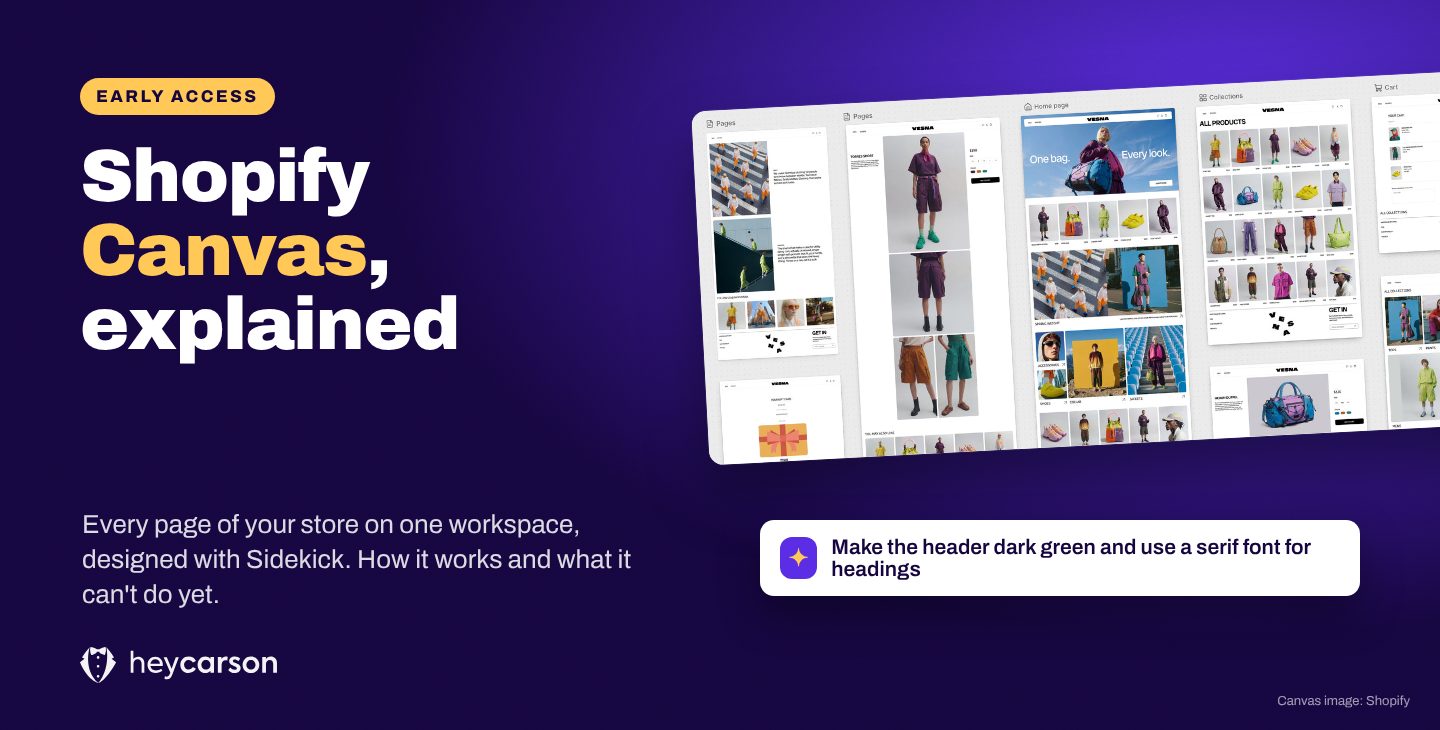
Shopify Canvas: what it is, how to use it, and what it can't do yet
Shopify Canvas is the new AI design surface where you build and edit your store's theme with Sidekick. Who has it, how to use it step by step, how it differs from the theme editor, and its limits.
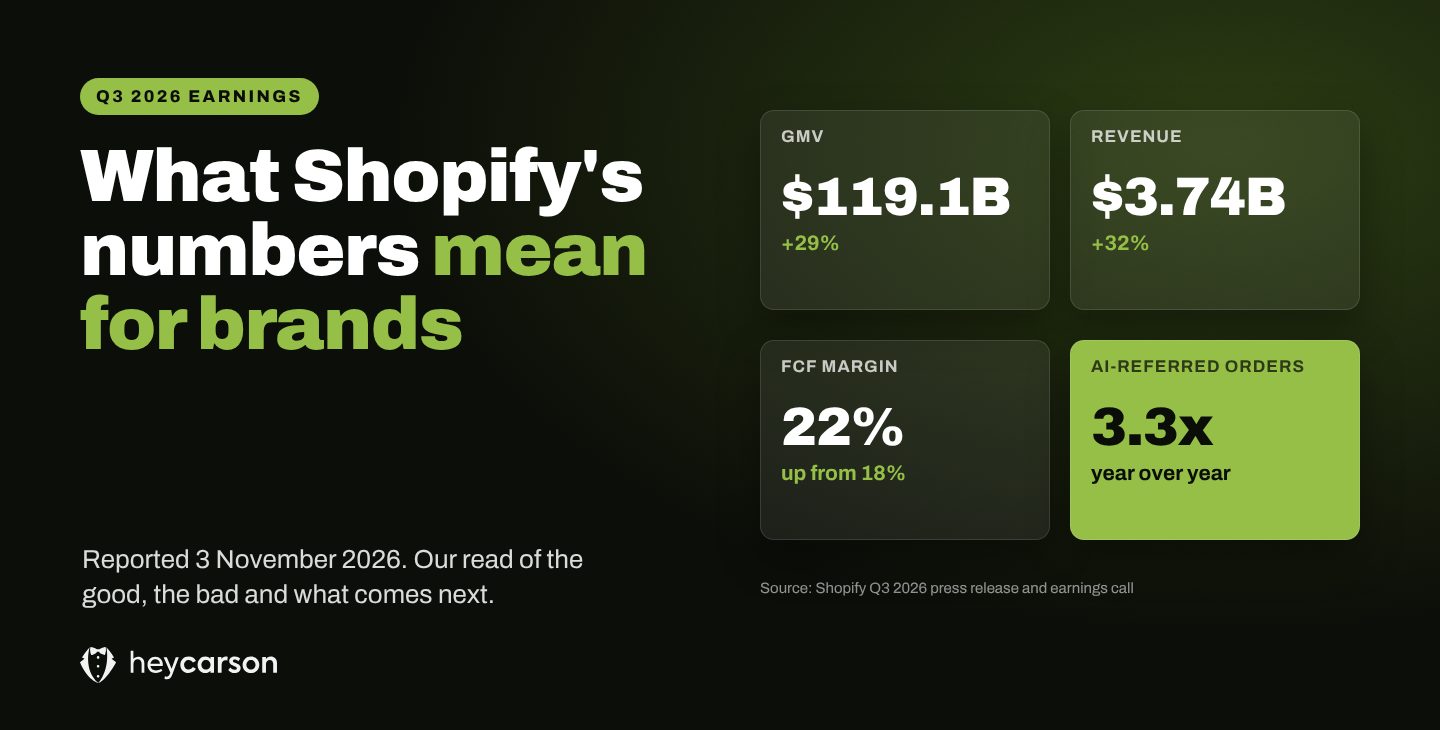
Shopify earnings Q3 2026: what the results mean for brands (our take)
Shopify's Q3 2026 earnings, read from the side of a brand selling on Shopify: the numbers, what's good, what worries us, and what we expect Shopify to do next.
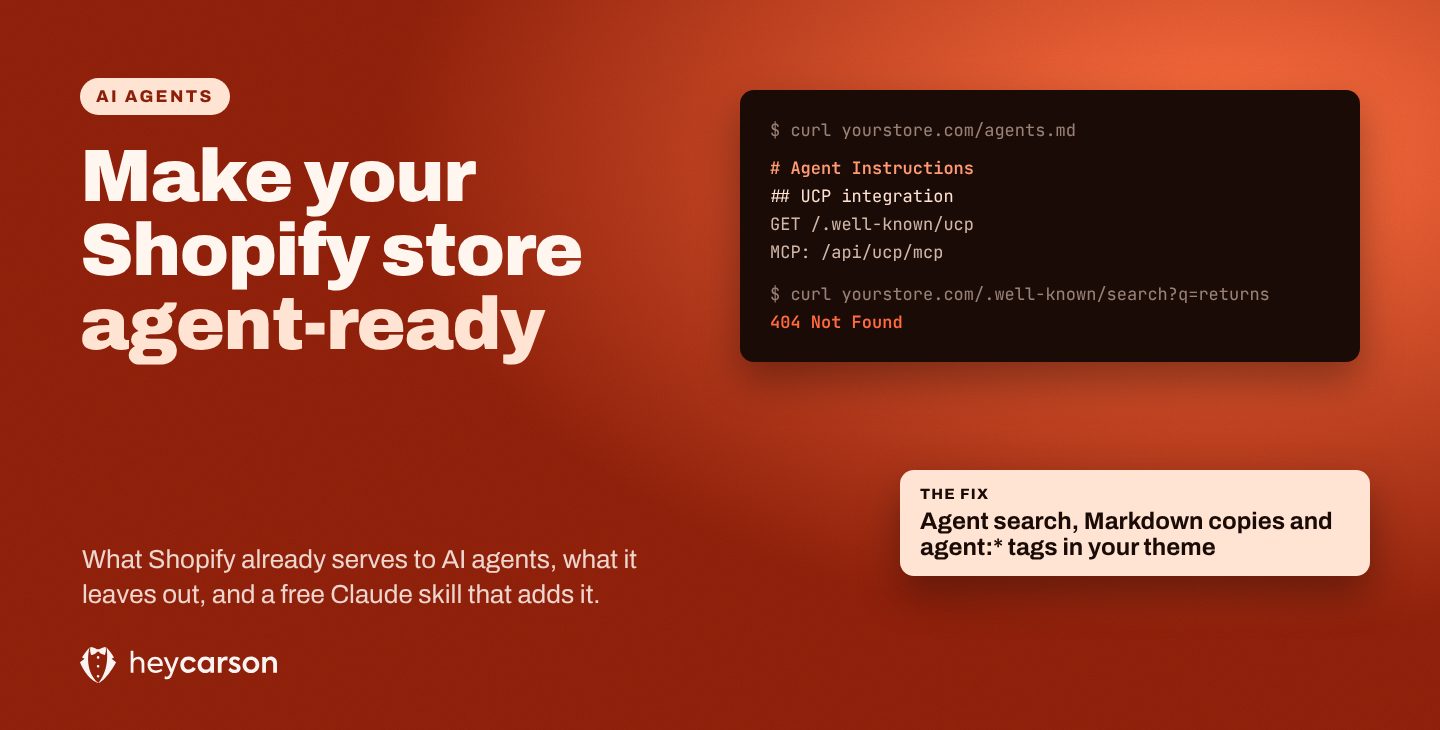
Agent-ready Shopify store: add agent search and Markdown pages for AI agents (free Claude skill)
What Shopify already serves to AI agents, what it leaves out (a search over your guides and pages, Markdown copies, the agent tags), and a free Claude skill that adds them to your theme.
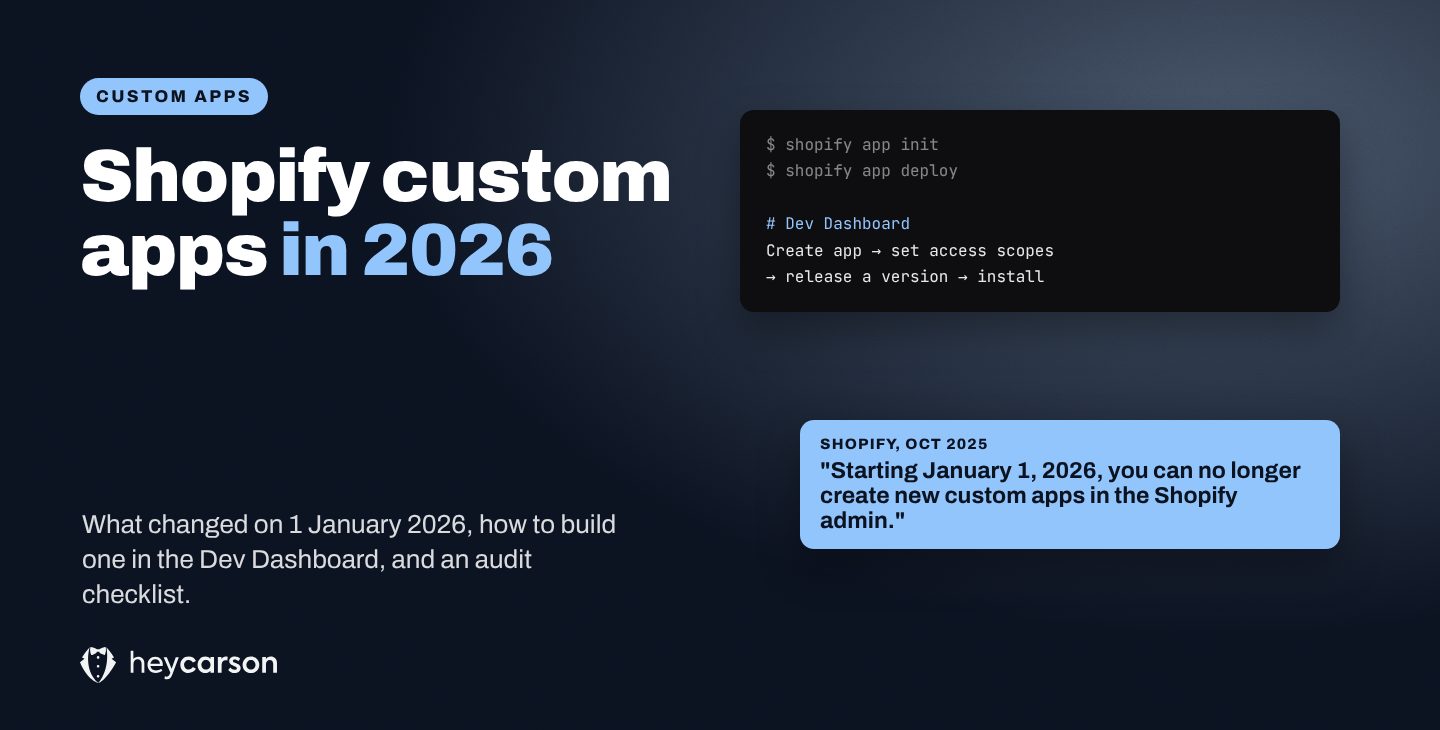
Shopify custom apps: what they are, what changed in late 2026, and how to audit yours
A Shopify custom app is an app built for your store alone, often by an agency or freelancer, to connect an ERP, 3PL or other system. Where they live now, Shopify's late-2026 security deadlines in plain terms, and a checklist to audit yours.

